2025 - The year data became a competitive advantage

A COVER conversation featuring insights from Angus Black, Director at BarnOwl Data Solutions
In 2025, data finally moved beyond compliance checkboxes and emerged as a defining competitive advantage for insurers, brokers, and risk managers alike. “This year,” says Angus Black, Director at BarnOwl Data Solutions, “was the year data became a competitive advantage, not just a compliance obligation.”
That sentiment captures a broader industry shift. Leading insurers and intermediaries are no longer viewing data merely as a regulatory necessity. Instead, they’re using it to price products more accurately, improve operational efficiency, and deepen collaboration across the insurance value chain.
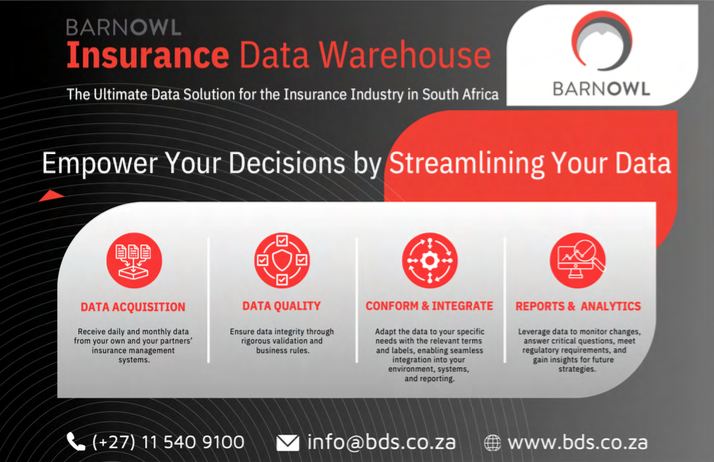
From compliance to competitiveness - Over the past year, BarnOwl has worked with more than 500 brokers, automating and refining data acquisition processes that feed directly into underwriting, pricing, and reporting systems. The results? Smoother operations, fewer errors, and more reliable datasets for decision-making.
Black explains that this didn’t happen overnight. “It took a lot of collaborative work between system providers and brokers,” he says. “But the payoff was worth it, data accuracy and consistency improved significantly, and everyone in the ecosystem benefited.”
This reflects a critical industry learning curve. Data integrity is the foundation of digital transformation. Without consistent, accurate inputs, even the most advanced analytics or AI tools will fail to deliver value.
AI and the long game - Despite the progress, Black admits that the industry’s AI ambitions haven’t yet fully materialised. “We all hoped to leverage AI a bit more than we have,” he notes. “The technology is evolving fast, but integrating it effectively still takes time.”
He references the old saying: “We overestimate the impact of new technology in the short term and underestimate it in the long term.”
For insurers, that means laying the groundwork now, getting the data hygiene right, so that AI and machine learning can deliver real, scalable value when the technology matures.
The human link - Technology alone doesn’t solve data challenges; people do. Black highlights the importance of deep engagement between insurers, brokers, and system providers.
BarnOwl’s teams have developed close working relationships with brokers, knowing who to contact, understanding how their businesses operate, and building trust that facilitates faster problem resolution. “We often joke that when certain people at a broker go on leave, we feel it,” he says with a laugh. “That’s how close those relationships have become.”
This human element has been vital in establishing a clear feedback and prioritization model, ensuring that everyone knows who handles what, when problems arise, and which issues take precedence.
“In this industry,” says Black, “there’s always more to do than there are hands to do it. You’ve got to agree on priorities, or chaos takes over.”
“Data became a competitive advantage, not just a compliance obligation.”