How drones can be used to boost maritime insurance and harbour safety
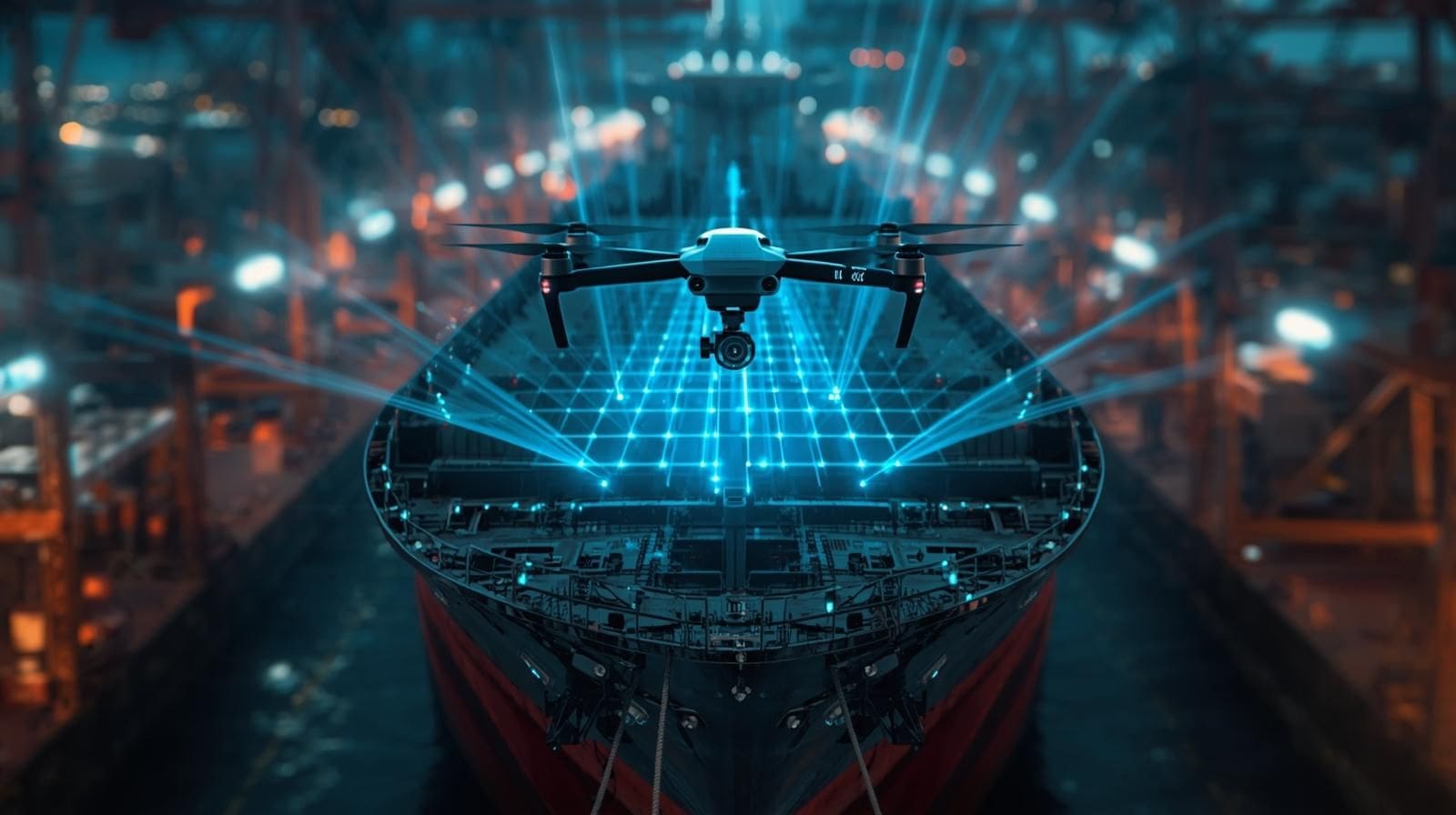
In the ever-evolving landscape of maritime operations, drones are profoundly reshaping how insurers, shipowners and harbour authorities manage risk, ensure safety and streamline compliance. Once seen as futuristic gadgets, drones have matured into indispensable tools, particularly in the context of maritime insurance and harbour security.
Traditionally, vessel inspections have relied on manual labour, involving divers, rope access technicians and surveyors dangling off the sides of ships. These methods are not only time-consuming and costly, but they also carry significant safety risks. Drones, on the other hand, are agile, data-rich and capable of conducting high-resolution inspections of hulls, cargo holds and superstructures without putting human lives at risk.
Insurers are taking note. Lloyd’s of London, one of the most recognised insurance markets globally, now accepts drone-based inspections as part of maritime insurance documentation. This signals a shift in how risk is evaluated – not just through paperwork and declarations, but through real-time, visual evidence.
For shipowners, submitting drone footage alongside proposal forms can help underwriters better understand the vessel’s condition, potentially improving coverage terms by demonstrating proactive risk management.
Harbours, especially those in high-risk or congested zones, are increasingly deploying drones for surveillance and environmental monitoring. Drones equipped with thermal imaging and LiDAR can detect oil spills, monitor docking areas and provide situational awareness that static cameras cannot match. In cases of environmental incidents, drones provide a non-invasive method for assessing damage, thereby avoiding the risk of dispersing pollutants further into the water.
Security represents a crucial aspect of maritime operations, particularly in the context of protecting large vessels anchored offshore. Drones have emerged as a vital tool in this realm, providing a scalable and cost-effective solution for enhancing safety and security. These unmanned aerial vehicles can be deployed to create a robust layer of protection against various threats.
One of the primary advantages of using drones for security is their ability to deter piracy, a significant concern in certain oceanic regions. Equipped with high-resolution cameras and real-time monitoring capabilities, drones can patrol vast areas of open water with ease.
“Drones have emerged as a vital tool in this realm, providing a scalable and cost-effective solution for enhancing safety and security.”