Short term
07 minutes

Service excellence, smart cost control and purpose-driven scale
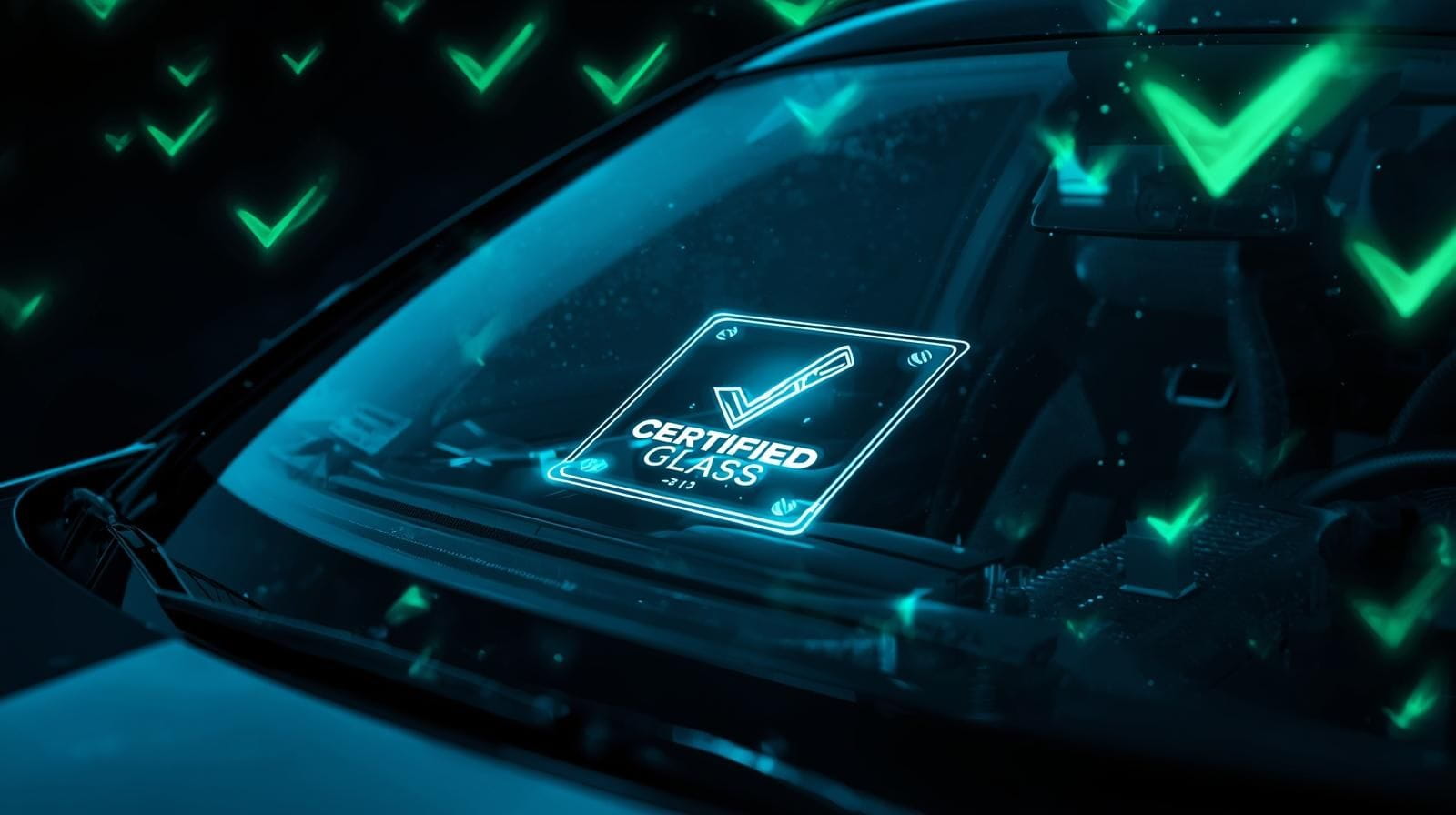
Insights from My Glass in 2025 reveal how service excellence, smart cost control and purpose-driven scale can reshape the insurance value chain. From safety-led assessments to empowerment-based growth, the article explores how a specialist service provider is quietly improving outcomes across claims, brokers and clients.
Written by
Tony van Niekerk
Published on
January 20, 2026

Insights from My Glass 2025

Service providers can play a far more strategic role in the insurance value chain than simply “fixing the problem”. That’s my take from my discussions with My Glass in 2025

Across multiple conversations during the year, a consistent narrative emerged: My Glass is not just replacing windscreens, it is reshaping how insurers, brokers, and clients experience one of the most frequent touchpoints in short-term insurance. At the same time, it is doing so with a business model that consciously balances efficiency, empowerment, and long-term sustainability.

Taken together, the insights from 2025 reveal a business that understands where pressure points in insurance really sit, claims cost, client experience, broker reputation, and ESG expectations, and has chosen to address them in practical, measurable ways.

The windscreen as a safety device, not a commodity - One of the strongest educational themes in My Glass’s 2025 content was a return to first principles: a windscreen is not merely a piece of glass, it is a structural safety component.

Repeated emphasis was placed on helping brokers and clients understand when a repair is sufficient and when replacement is non-negotiable. This distinction matters. Poor decisions around repairs can compromise airbag deployment, structural integrity, and roadworthiness, turning a cost-saving exercise into a safety risk.

The insight here is subtle but important. My Glass is positioning itself not as a volume-driven replacement business, but as a safety-led assessor. That shift reframes conversations with insurers and brokers away from unit cost alone and towards appropriate intervention, fewer comebacks, and reduced liability risk.

In an environment where claims leakage and client dissatisfaction often stem from poor first decisions, this emphasis on doing the right job, rather than the cheapest job, is strategically significant. We will therefore repair first, whenever possible, but we will replace the glass with correct quality glass and not any type of glass. One which meets OEM specifications.

OEE glass and the economics of sustainability - Another major theme to emerge in 2025 was the accelerating shift from OEM to certified OEE glass, and the implications this holds for the industry.

With hundreds of thousands of windscreens replaced annually in South Africa, the cost differential between OEM and OEE glass is no longer marginal. In a claims environment under constant pressure, My Glass has been vocal in advocating for high-quality, homologated OEE alternatives that meet the same safety and fit standards as OEM glass, without the inflated price tag.

The key insight is that this is not a compromise strategy. It is a credibility strategy. My Glass consistently drew a clear line between certified OEE glass and inferior aftermarket products, reinforcing that quality control, correct bonding, and technician skill are non-negotiable.

For insurers, this translates into lower average claim costs without increased risk. For brokers, it reduces excess disputes and premium pressure. And for clients, it delivers safety without unnecessary cost. In a year dominated by affordability concerns, OEE emerged as a rare win-win-win.

“In a market where service failure can be more damaging than underwriting error, My Glass has focused on reducing friction, protecting broker reputation and aligning cost control with safety and purpose.”

Tony van Niekerk
Editor, COVER

Technology as invisible infrastructure - My Glass’s approach to technology in 2025 was notably understated, and that may be its greatest strength.

Rather than marketing digital platforms for their own sake, the focus was on removing friction from the claims journey. Real-time claim tracking reduced manual follow-ups, mobile booking, and automated communication all served one purpose: to reduce anxiety and uncertainty for clients, while giving brokers visibility and control.

The insight here is that technology works best when it disappears into the background. By treating digital capability as infrastructure rather than a product, My Glass has aligned itself closely with broker and insurer workflows, rather than forcing behavioural change.

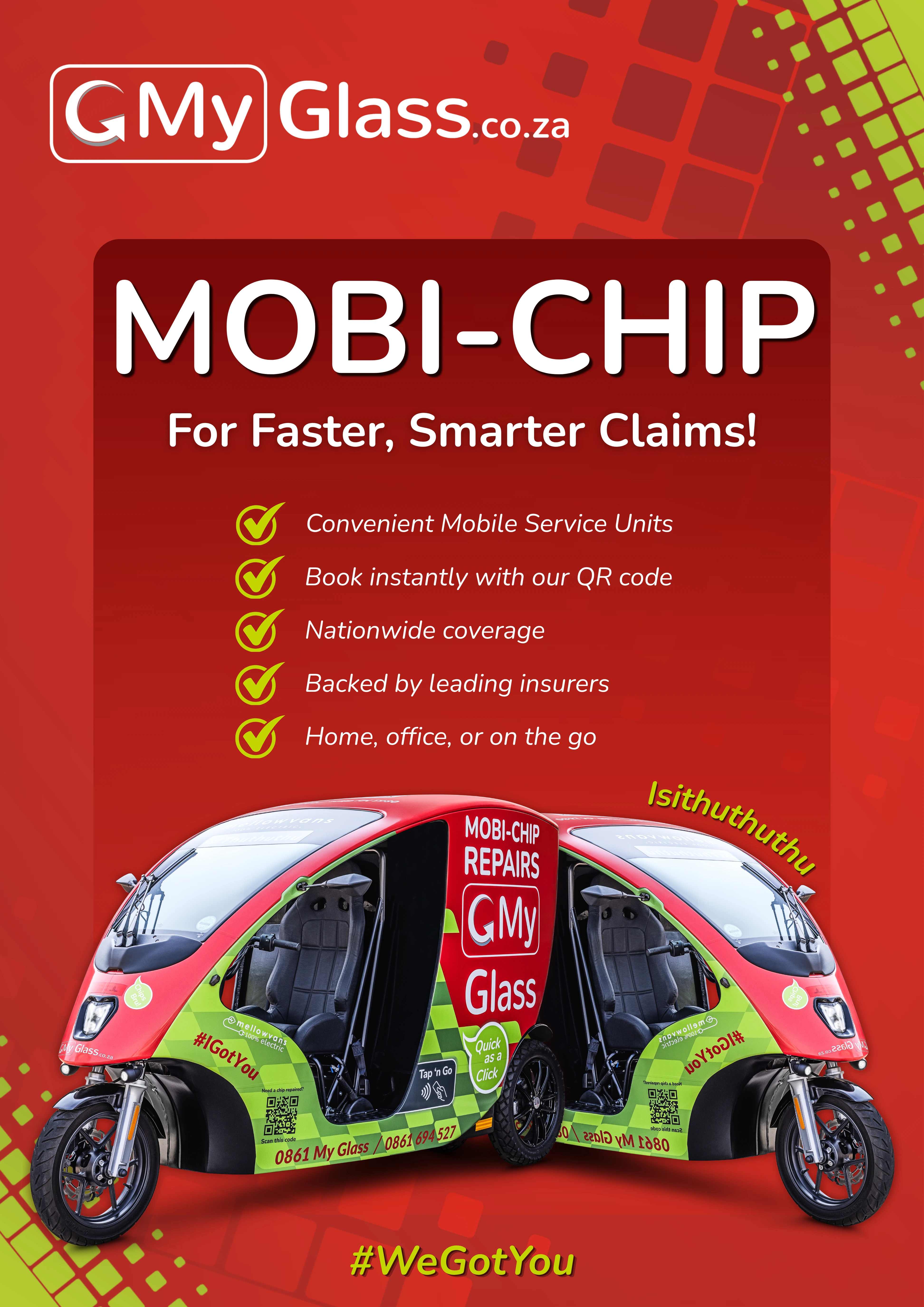
This mindset also underpins innovations such as mobile fitment and on-site chip repair, which bring the service to the client rather than pulling the client into the system. Convenience, in this model, becomes a form of risk mitigation, reducing delays, secondary damage, and dissatisfaction.

Empowerment as a growth strategy - Perhaps the most distinctive element of My Glass’s 2025 story is its approach to empowerment and entrepreneurship.

Through its licensing model, My Glass has deliberately created space for small business ownership, particularly among previously disadvantaged individuals and women. Crucially, this is not framed as a compliance exercise, but as a scalable business strategy.

By removing traditional franchise barriers and pairing ownership with operational support, technology, and insurer partnerships, My Glass has built a decentralised yet cohesive national footprint. Growth is achieved not through heavy fixed infrastructure, but through empowered operators aligned to a common standard and culture.

The insight here is that empowerment, when done properly, enhances resilience. A distributed network of invested owner-operators is often more responsive, more accountable, and more committed to service excellence than a purely centralised model.

Brokers at the centre of the experience - Throughout the year, My Glass consistently positioned brokers as critical stakeholders in the claims experience, not as administrative intermediaries, but as brand custodians.

Every windscreen claim is a moment of truth for a broker. Delays, poor workmanship, or lack of communication reflect directly on the advisor who placed the policy. My Glass’s model is explicitly designed to protect broker reputation by ensuring speed, transparency, and consistent quality.

This broker-centric framing is important. It recognises that service providers play a role not only in claims outcomes, but in renewal decisions, referrals, and long-term client trust.

Keeping the focus - The insights from My Glass in 2025 point to a business that understands the real levers of value in modern insurance: cost control without compromise, technology without alienation, and growth without losing purpose.

In a market where service failure is often more damaging than underwriting error, My Glass has positioned itself as a partner that reduces friction, protects reputations, and aligns commercial success with social impact.

As the industry enters 2026, My Glass offers a compelling case study in how service providers can evolve from transactional suppliers into strategic enablers, quietly improving outcomes for insurers, brokers, clients, and communities alike.

Fast & Convenient Automotive Chip Repairs, At your Place, Not Ours

Endorsed by major insurers. Effortless booking, Efficient repairs, and Excellent Service by trusted technicians.

Dashboard mockup