Two years after George: What really happens when a building collapses?
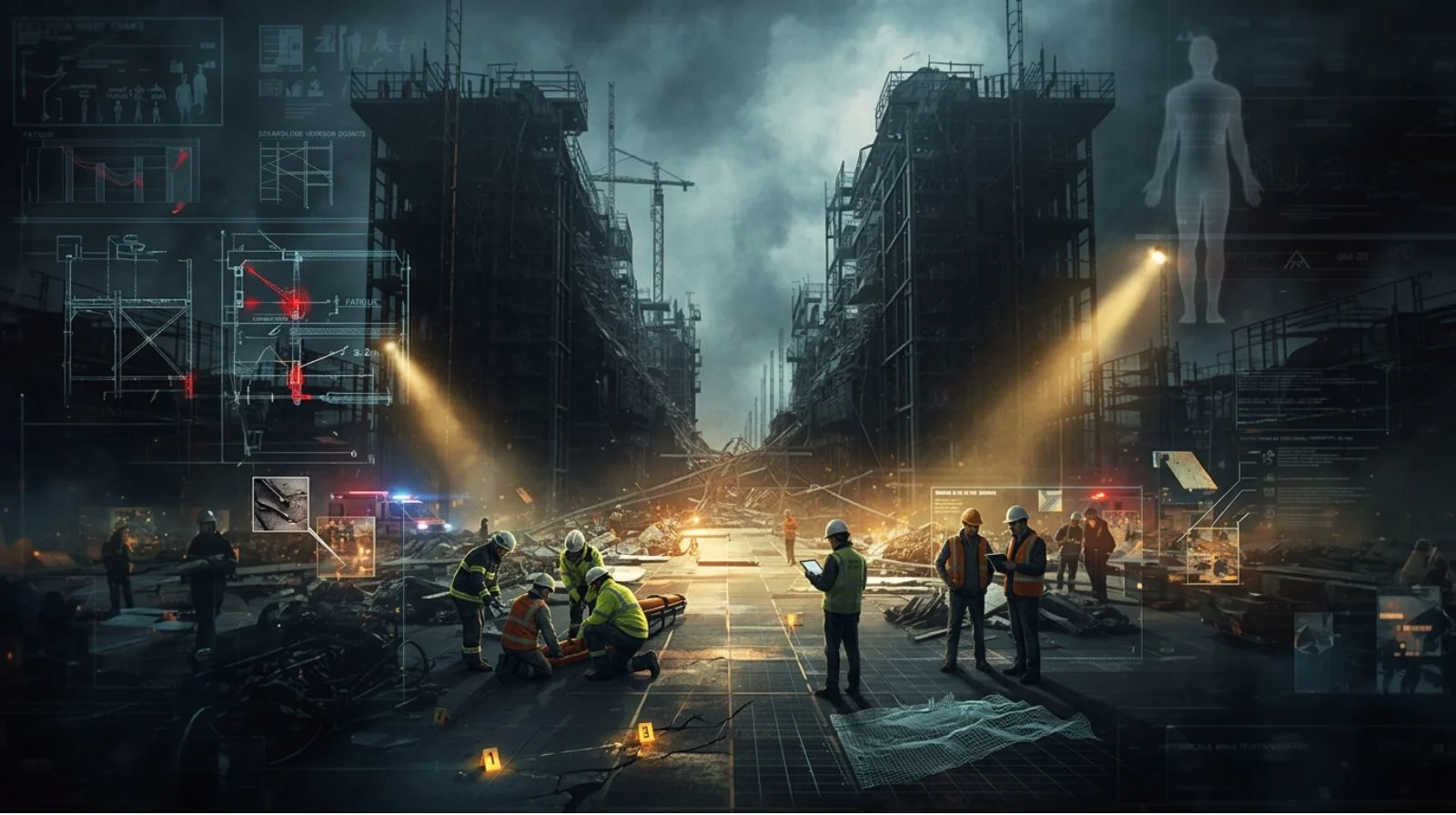
Two years after the George building collapse, South Africa’s construction sector is again confronting the legal and regulatory realities that follow structural failures. From liability and evidence preservation to regulatory investigations, construction collapses trigger complex processes with long-term implications for developers, contractors and insurers.
Written by
David Vlcek
Published on
May 18, 2026

As South Africa marks the second anniversary of the tragic George building collapse today, the nation’s attention is once again drawn to the aftermath of catastrophic construction failures. With the Ormonde building collapse still dominating headlines, the question remains: What actually happens after a building collapses on a construction site?

Cox Yeats, a leading law firm in construction, engineering, infrastructure law, offers critical insights into the legal and regulatory maze that follows such disasters. Partner David Vlcek, who specialises in insurance litigation and construction and infrastructure law and has advised on several high-profile collapse investigations, is available for expert commentary and interviews.

The aftermath: A legal and regulatory minefield

When a building collapses, the immediate focus is on rescue and recovery. But behind the scenes, a complex web of investigations and legal responsibilities unfolds:

  • Multiple authorities involved: The South African Police Services (SAPS) take initial control, followed by the Department of Employment and Labour, which launches a formal Section 31 investigation under the Occupational Health and Safety Act.

Construction collapse investigations are multi-layered, highly technical and emotionally charged.

David Vlcek
Partner, Cox Yeats
  • Who is liable? Property owners, developers, and main contractors bear primary legal responsibility from the moment of collapse. They must act swiftly according to site-specific health and safety plans.
  • Regulatory scrutiny: Within seven days, the incident must be reported to the Provincial Director of Labour. Investigators will demand documentation, statements, and evidence from all parties involved.
  • Professional bodies step in: Engineers, architects, and other professionals may face parallel investigations by their regulatory councils, such as the Engineering Council of South Africa and the Council for the Built Environment.
  • Preserving evidence is critical: Immediate steps must be taken to secure all site records, drawings, and material samples. Appointing independent experts early is essential to ensure evidence is preserved for both regulatory and potential legal proceedings.

Why this matters?

“Construction collapse investigations are multi-layered, highly technical, and emotionally charged,” says David Vlcek, Partner at Cox Yeats. “The priority is always the health and safety of those on site, but it’s equally vital to preserve evidence and protect legal rights from the outset. Owners, developers, and contractors must be prepared to navigate overlapping investigations, media scrutiny, and possible litigation all while supporting emergency responders.”

For more information, read the long form article from David on this topic here: https://www.coxyeats.co.za/LegalUpdates/View/20243/After-the-Dust-Settles-What-Happens-When-a-Building-Collapses-on-a-Construction-Site

Unified Pricing, Rating, and Underwriting for Profitable Growth.

The Earnix platform provides integrated predictive, generative, and agentic AI to power intelligent decisioning across the full underwriting, pricing, rating, and personalisation cycle. Our leading platform helps insurers and banks optimise and perform with agility.

Dashboard mockup