Why medical schemes must own healthcare reform

PPO Serve CEO Lungile Kasapato argues that rising medical scheme costs are a symptom of deeper structural problems in South Africa’s healthcare system. Instead of acting as passive payers, medical schemes should actively drive healthcare reform through value-based care, prevention and outcome-focused purchasing.
Written by
Lungile Kasapato
Published on
June 10, 2026

Medical schemes have an enormous amount of power to change the trajectory of healthcare in this country - but only if they are willing to use it.

South African medical schemes have long borne the brunt of public frustration. Contribution increases have outpaced both wages and inflation, forcing many members to choose between healthcare cover and basic needs. But at PPO Serve, a healthcare management company that has been implementing value-based care in South Africa for more than a decade, we see rising premiums and shrinking benefits as symptoms, not causes. The real problem is structural: the industry has been operating as a passive payer when it should be commissioning a better functioning healthcare system.

The conversation we keep having, about contribution levels, affordability, and who is to blame, is only half the conversation. What is missing is the question of why costs keep escalating and what schemes are actively doing about it.

The World Health Organisation is clear on what that answer should look like: schemes purchasing value for their members, managing the quality and cost of care, and correcting the incentives that keep a poorly functioning system in place. Until that happens, we will be back here next year, at a higher number, with the same grievances.

South Africa's healthcare system rewards providers for the volume of services delivered, not patient outcomes achieved; More tests, more procedures, more bed days: each generates revenue regardless of clinical necessity. The Health Market Inquiry identified this as a structural failing - schemes, unable to control what providers charge, absorb the pressure by eroding the benefits members thought they were paying for.

“Medical schemes have an enormous amount of power to change the trajectory of healthcare in this country – but only if they are willing to use it.”

Lungile Kasapato
CEO of PPO Serve

On average, schemes are currently spending three cents more for every rand they collect; even the best-capitalised ones are drawing down their historical reserves. Without meaningful intervention, that gap does not close on its own - it widens. And yet the industry continues to treat this as a pricing problem rather than the systemic one it actually is.

PPO Serve's The Value Care Team programme, implemented in partnership with the Government Employees Medical Scheme (GEMS), demonstrates what a different approach looks like in practice. The programme segments members by clinical need - from high-risk complex cases to those currently healthy - and aligns care accordingly. GPs are equipped with real-time data, including visibility of planned admissions from other providers, enabling early intervention before costs escalate. Clinicians are rewarded for measurable patient outcomes rather than the volume of services delivered.

When patients are well-managed at primary care level, unnecessary hospital admissions fall, and that is exactly what we are seeing. Early pilot data shows a 29% reduction in hospitalisations over three years.  Those savings can then be reinvested into better care. That is what purchasing value looks like in practice."

For lower-income members, who have historically faced benefit structures favouring hospital care over preventative and primary care, The Value Care Team operates outside discretionary benefit allocations. This preserves out-of-hospital benefits while ensuring members receive coordinated care throughout the year.

The evidence is already there, globally and in our own programme: investing in primary healthcare costs more today but far less tomorrow. A scheme that cannot absorb the short-term cost of prevention will not survive the long-term cost of inaction. Medical schemes have an enormous amount of power to change the trajectory of healthcare in this country - but only if they are willing to use it. At PPO Serve, we are not waiting for the system to fix itself - we are doing the work.

Dashboard mockup

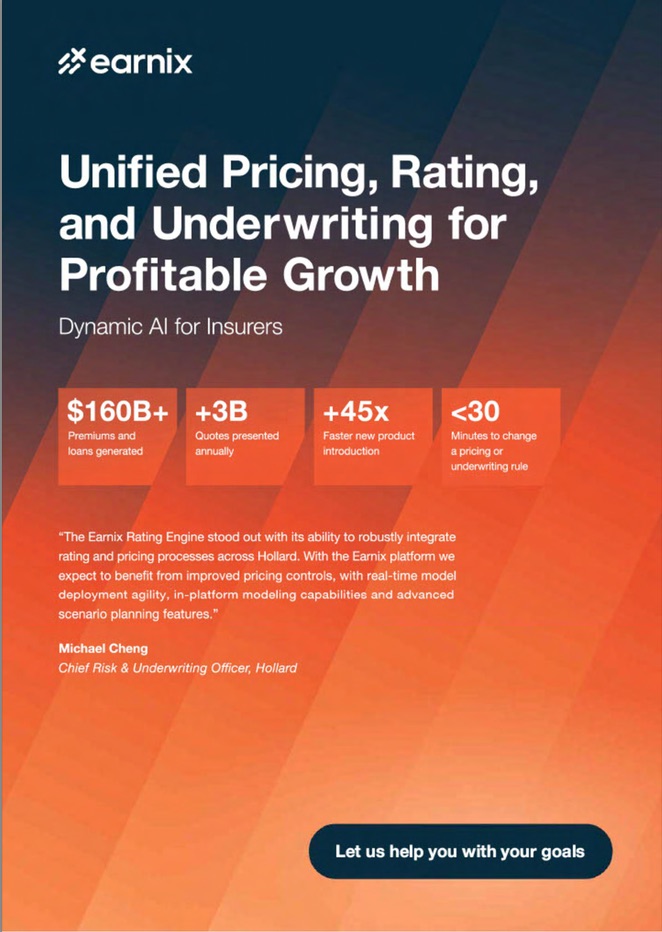
Unified Pricing, Rating, and Underwriting for Profitable Growth.

The Earnix platform provides integrated predictive, generative, and agentic AI to power intelligent decisioning across the full underwriting, pricing, rating, and personalisation cycle. Our leading platform helps insurers and banks optimise and perform with agility.

Dashboard mockup